The kings award

The Kingdom of Robe has received a prestigious honour, as His Majesty King Mark Morley I has been awarded the Most Ancient Order of Sankt Thora. The award, established in 2015, recognizes individuals who have made outstanding contributions to the service of human rights.

The award citation specifically recognized the King’s strong belief in equality and his work to promote human rights in tangible ways. King Mark Morley I has been an advocate for LGBT rights and has led local agricultural projects and environmental initiatives, including the “Green July” campaign.

Admission to the order remains at the discretion of the monarch, after taking suggestions from the knights of the order. Honoured individuals are entitled to use the styles of the order and post-nominal letters. The original letter patent and citation letter will be posted to His Majesty’s address within the coming weeks.

The award of the Most Ancient Order of Sankt Thora is a significant achievement, and it highlights the important work that King Mark Morley I and the Kingdom of Robe are doing to promote human rights and equality. It is a fitting recognition of the dedication and hard work that His Majesty has shown towards making the world a better and more just place.

The people of Robe can be proud of their King’s accomplishments, and the rest of the world can look to Robe as an example of a nation that is committed to promoting human rights and protecting the dignity of all people. Congratulations to His Majesty Mark Morley I on this well-deserved honour!

Ballinrobe Friairy

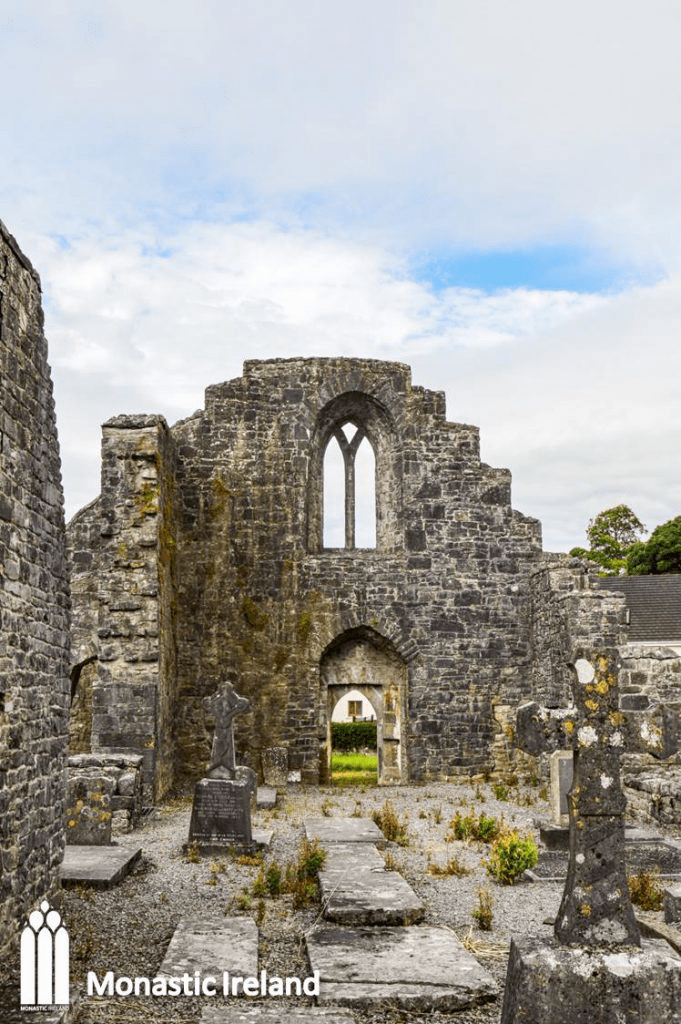
Ballinrobe Friary, located in County Mayo, Ireland, is a historical landmark that dates back to the 14th century. The site was founded by the Augustinian Friars and is known for its stunning architecture and rich history.

The Friary was founded by the Burke family in the early 1300s and was originally built as a small chapel. In the 1400s, the chapel was expanded into a larger monastery by the Augustinian Friars. Over the years, the Friary has undergone several renovations and expansions, including the addition of a bell tower, sacristy, and chapter house.

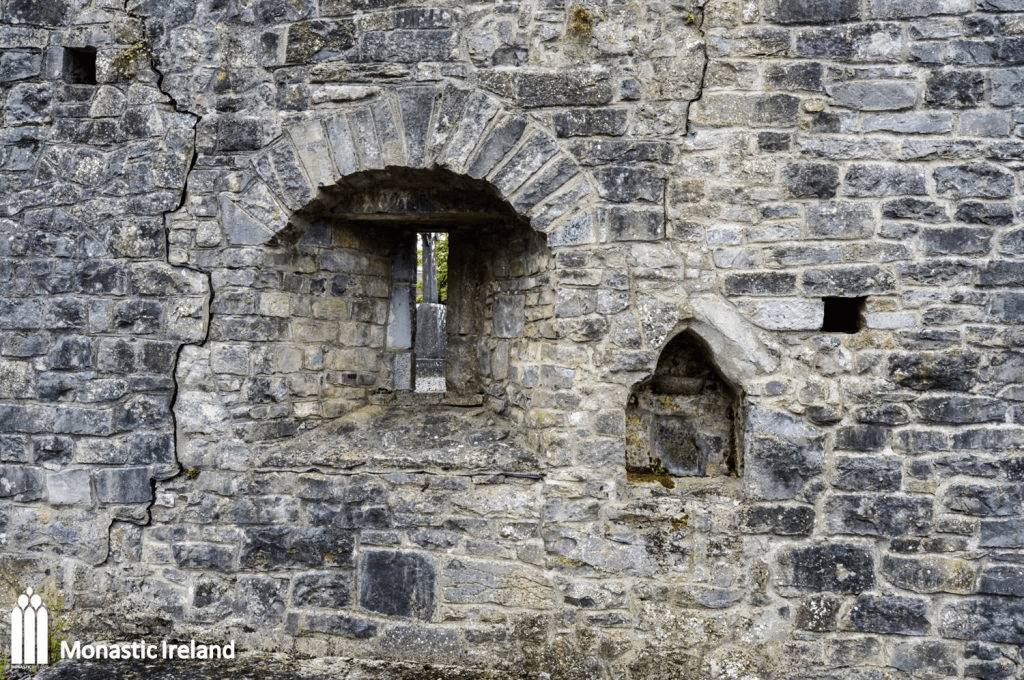
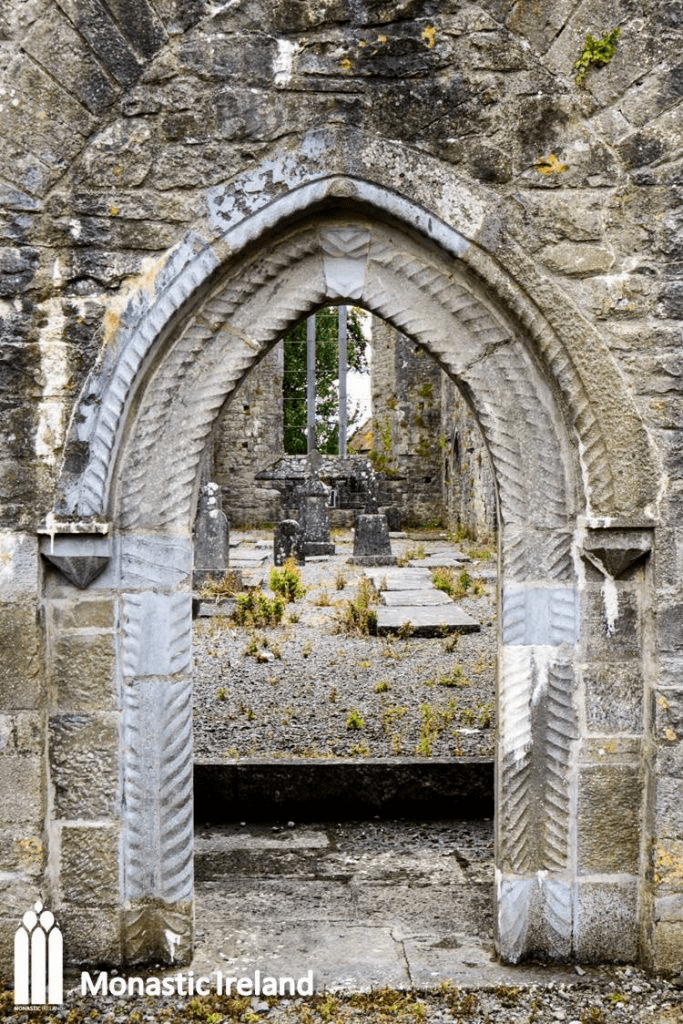
One of the most notable features of the Friary is its architecture. The building features a mix of Gothic and Romanesque styles, with arches, buttresses, and ornate carvings adorning the walls. The interior is equally stunning, with vaulted ceilings and intricate stonework throughout.

The Friary played an important role in the religious and cultural history of Ireland. For centuries, it served as a place of worship and refuge for the local community. The Friars were known for their charitable work and their commitment to helping the poor and needy.

In the 16th century, however, the Friary was caught up in the turmoil of the Reformation. The Catholic Church was under attack, and many monasteries and religious sites were destroyed or seized by the English authorities. The Friary was no exception, and in 1590 it was closed down and its lands seized by the government.

Despite its turbulent history, the Friary has survived to this day, and has become a popular tourist attraction. Visitors can take a guided tour of the site and learn about its history and significance. The Friary is also used for cultural events and performances, showcasing the rich cultural heritage of the local community.

In recent years, efforts have been made to preserve and protect the Friary and its surrounding area. The local community has recognized the importance of the site as a historical landmark and has worked to ensure that it is maintained for future generations to enjoy. Plans are also in place to develop the area around the Friary, with the aim of creating a sustainable and vibrant community that will thrive for years to come.

In conclusion, Ballinrobe Friary is an important historical landmark in Ireland, with a rich and varied history. The site has survived centuries of turmoil and upheaval, and continues to serve as a place of beauty, inspiration, and cultural significance. Its preservation and protection are essential to ensuring that future generations can continue to appreciate and learn from its unique heritage.

Peatlands

Peatlands are areas of land that are characterized by the accumulation of peat, a type of soil made up of partially decayed plant material. These ecosystems play a crucial role in regulating the Earth’s climate, storing vast amounts of carbon that would otherwise contribute to the greenhouse effect. However, in recent years, there has been increasing concern over the exploitation and degradation of peatlands, as well as debates surrounding their conservation and restoration.

Peatlands are found all over the world, but they are particularly abundant in northern regions such as Canada, Russia, and Scandinavia. They are also found in the British Isles, where peat has traditionally been extracted for use as a fuel source. However, this practice has come under increasing scrutiny in recent years due to its environmental impacts.

One of the main concerns surrounding peatlands is their contribution to climate change. When peatlands are disturbed or degraded, either through drainage or extraction, the carbon stored in the peat is released into the atmosphere as carbon dioxide (CO2). In fact, it is estimated that peatlands are responsible for around 6% of all global greenhouse gas emissions. As a result, there have been calls for greater conservation and restoration efforts in order to protect these valuable ecosystems and mitigate their impact on the climate.

However, there are also arguments in favor of the continued use of peat as a fuel source. Some argue that peat extraction is a vital industry in certain areas, providing employment and economic opportunities for local communities. There are also concerns over the reliability and affordability of alternative fuel sources, particularly in remote areas where access to energy is limited.

These debates have led to a range of policies and regulations surrounding peatland management. In the UK, for example, the government has introduced a target to phase out the use of peat in horticulture by 2030, as well as measures to encourage peatland restoration. In Ireland, where peat extraction has traditionally been an important industry, there have been ongoing debates over the environmental impact of the practice, as well as calls for greater investment in alternative industries and renewable energy sources.

Despite the ongoing debates surrounding peatlands, there is growing recognition of their importance as valuable ecosystems that play a crucial role in the Earth’s climate system. Whether through conservation efforts or the development of alternative industries, it is clear that action is needed to ensure the protection and restoration of these vital habitats for generations to come.

Renewed protections for peat lands

The Kingdom of Robe, a small micronation located in the Atlantic Ocean, has recently launched a new initiative to protect peatlands, a type of wetland that is critical for biodiversity, carbon storage, and water regulation.

Peatlands are formed over thousands of years as organic matter accumulates in wetland environments. Peat, the decomposed organic material, can store up to 10 times more carbon than other ecosystems such as forests. When peatlands are drained or degraded, they release large amounts of carbon dioxide into the atmosphere, contributing to climate change.

Recognising the importance of peatlands, the Kingdom of Robe has introduced the Peatland Protection Act, which declares all peatlands within its territory as national parks and bans peat extraction. This move is a significant step towards mitigating climate change and preserving the country’s natural beauty.

According to the Peatland Protection Act, all peat extraction will cease by the end of 2021 to allow alternative products to be found. Peat products such as compost will be banned from the beginning of 2022, while products used for heating will be banned from 2024 to allow existing stockpiles to be used up. The act also imposes fines for those who continue to procure peat products after the ban takes effect.

In addition to the Peatland Protection Act, the Kingdom of Robe is also investing in research to explore alternative products that can replace peat, such as coconut coir, sawdust, and bark. This research will help to develop sustainable alternatives that can replace peat without harming the environment.

Environmental groups worldwide have praised the Kingdom of Robe’s efforts to protect peatlands. By declaring peatlands as national parks and banning peat extraction, the kingdom is setting an example for other nations to follow. Protecting peatlands is critical for mitigating climate change, preserving biodiversity, and maintaining the natural beauty of our planet.

In conclusion, the Kingdom of Robe’s new efforts to protect peatlands is a significant step towards building a sustainable future. By recognising the importance of peatlands and taking action to protect them, the kingdom is setting an example for other nations to follow. The Peatland Protection Act is a testament to the kingdom’s commitment to environmental sustainability and conservation.

The outlooks of the kingdom

The Kingdom of Robe is a small, but vibrant and dynamic community located on the western coast of Ireland. Despite its size, the kingdom has a rich and diverse culture, and is known for its strong traditions and innovative outlook.

One of the key outlooks of the Kingdom of Robe is a commitment to innovation and progress. This commitment can be seen in a variety of ways, including the development of new technologies, the creation of new social programs and services, and the implementation of new policies and regulations designed to promote growth and development.

At the same time, the Kingdom of Robe is deeply rooted in tradition and history, and this is reflected in its social and cultural practices. From its language and music to its festivals and customs, the kingdom celebrates its heritage and the contributions of its ancestors.

Another important outlook of the Kingdom of Robe is a commitment to social justice and equality. The kingdom believes that every citizen should have access to the same opportunities and resources, regardless of their background or circumstances. This commitment is reflected in its policies and programs, which are designed to promote equality and address social and economic disparities.

Finally, the Kingdom of Robe is known for its commitment to environmental sustainability and conservation. The kingdom recognizes the importance of protecting the natural resources and ecosystems that sustain life, and is committed to implementing policies and practices that support these goals.

The Kingdom of Robe is a nation that has made environmental sustainability and conservation a top priority. The kingdom recognizes that environmental protection is essential for the health and wellbeing of its citizens and future generations. As such, the kingdom has implemented various policies and practices aimed at preserving and enhancing the natural environment.

One of the main ways the kingdom is working towards environmental sustainability is through the implementation of renewable energy. The kingdom has invested in wind turbines and solar panels, which provide a significant portion of the kingdom’s energy needs. By relying on renewable energy, the kingdom is reducing its carbon footprint and contributing to the fight against climate change.

Another important aspect of the kingdom’s commitment to environmental sustainability is the protection of its natural resources. The kingdom has implemented policies aimed at protecting its forests, water sources, and wildlife. The kingdom’s forests are an essential resource, providing clean air, water, and habitats for many species. To protect these forests, the kingdom has implemented strict regulations on deforestation and logging.

Water is another valuable resource that the kingdom has taken steps to protect. The kingdom has implemented regulations on water usage, and is committed to ensuring its water sources remain clean and safe for its citizens. Additionally, the kingdom has implemented policies aimed at reducing water waste, such as rainwater harvesting and water recycling.

The kingdom has also taken steps to protect its wildlife and biodiversity. The kingdom’s national parks and nature reserves are home to many species of plants and animals, and the kingdom has implemented policies aimed at protecting these habitats. The kingdom has also banned hunting and fishing in many areas, ensuring that wildlife populations can thrive.

Overall, the Kingdom of Robe is committed to environmental sustainability and conservation. The kingdom recognizes the importance of protecting its natural resources and ecosystems, and is taking steps to ensure their preservation for future generations. The kingdom’s commitment to renewable energy, protection of forests, water sources, and wildlife, and reduction of waste is a model for other nations to follow.

Micronations what are they

Micronations are self-proclaimed, small, and often unrecognized entities that claim to be independent states but are not recognized by other countries and international organizations. They are usually created by a group of people with a shared ideology or purpose, and their territories can range from a small piece of land to an entire region or island.

Micronations are not legally recognized as independent states by the international community and lack the ability to engage in formal diplomatic relations or participate in international organizations. However, many micronations continue to exist and thrive due to their unique culture, social organization, and political ideology.

Some micronations are purely symbolic and exist only in theory or as online communities, while others have a physical presence and even issue their own currency, stamps, and passports. Some micronations have established their own political systems, laws, and governance structures, while others are run by a single person or group.

There are many reasons why people create micronations. Some are motivated by a desire for political autonomy or cultural expression, while others are created as a form of satire or social commentary. Micronations can also serve as a way to escape the restrictions of traditional society, explore new ways of living, or simply as a form of creative expression.

While the existence of micronations may be seen as a novelty or even a joke by some, they can serve as a valuable exercise in self-determination, cultural expression, and political experimentation. Micronations may never achieve formal recognition or become widely accepted, but their existence challenges the traditional notions of statehood and sovereignty and provides a unique lens through which to view the complexities of the modern world.

Micronations are self-declared entities that claim to be independent sovereign states but are not recognized as such by other countries or international organizations. Despite their lack of formal recognition, micronations are a fascinating phenomenon that offers a unique perspective on the complexities of statehood, sovereignty, and governance in the modern world.

Micronations can take many forms, from the whimsical to the serious. Some are founded purely as a joke or a hobby, while others are established as a protest against the perceived injustices of the international system. Still, others are created with a genuine desire to establish a new state and develop a unique political and cultural identity.

The emergence of micronations raises important questions about the nature of sovereignty and the relationship between states and citizens. While traditional notions of statehood emphasize the need for a clearly defined territory, a permanent population, and effective control over the means of coercion, micronations often lack these attributes. Many micronations exist solely online or have only a few members, making it difficult to determine their actual capacity for self-government.

Despite these challenges, many micronations have developed their own unique legal and political systems, including constitutions, flags, and national anthems. Some even have their own currencies, passports, and postage stamps. These micronations often rely on the support of their citizens and the global community of micronations to maintain their independence and legitimacy.

Micronations also highlight the challenges of governance and the need for effective institutions to manage complex social and economic systems. Without a clear legal framework and effective governance structures, micronations are often prone to internal conflicts and external pressures from larger and more established states.

In conclusion, while micronations may be dismissed by some as mere curiosities or novelties, they provide a unique lens through which to view the complexities of the modern world. By challenging traditional notions of statehood and sovereignty, micronations raise important questions about the relationship between citizens and the state and the need for effective governance structures to manage complex social and economic systems.

The climate in the Kingdom

The Kingdom of Robe, located in the west of Ireland, is known for its mild and wet climate. The climate is influenced by the Atlantic Ocean, which brings warm and moist air to the region.

The average temperature in Robe ranges from 7°C to 20°C, with the warmest months being July and August. However, the temperature can vary widely throughout the day, with cool mornings and evenings and warm afternoons.

Rainfall is a prominent feature of the climate in Robe, with an average annual rainfall of around 1500mm. The wettest months are typically October and November, with the driest months being April and May.

Westerly winds are prevalent in the region, which can bring in storms and heavy rain. However, the warm oceanic air also makes for a temperate climate, with fewer extreme weather events than other parts of the world.

The climate in Robe is ideal for agriculture, with the wet conditions and mild temperatures creating fertile soils and supporting a diverse range of crops. The region is known for its grass-fed beef and dairy production, as well as its abundant seafood.

While the weather can be unpredictable, the climate in Robe is generally mild and hospitable, making it a pleasant place to live and visit

Agriculture expansion

The Kingdom of Robe is planning to expand its egg farming operation, in order to meet the growing demand for locally-sourced, fresh eggs. Currently, the Kingdom produces around 10 eggs per week, which are used primarily by the royal household and a few select citizens. However, with the increased interest in locally-sourced food, the Kingdom has decided to expand its egg production to meet the needs of the wider community.

The expansion plans involve building a new egg-laying facility on the outskirts of the Kingdom, which will be able to house up to 100 chickens at a time. The facility will be designed to provide the chickens with a safe and comfortable environment, while also allowing them to roam free and forage for food.

The Kingdom has also made a commitment to using sustainable and ethical farming practices, in order to ensure that the chickens are well cared for and that the environment is not harmed in the process. This will include providing the chickens with organic feed, as well as plenty of space to move around and access to fresh water.

Once the new facility is up and running, the Kingdom hopes to be able to provide fresh, locally-sourced eggs to a wider audience, including local restaurants and cafes. This will not only support the local economy, but also promote the use of sustainable and ethical farming practices, which are becoming increasingly important to consumers.

The Kingdom of Robe is committed to providing high-quality, locally-sourced food to its citizens, while also promoting sustainable and ethical farming practices. The expansion of the egg-laying facility is just one example of the Kingdom’s commitment to these goals, and the community looks forward to enjoying fresh, locally-sourced eggs for years to come.

Lgbt rights

The Kingdom of Robe is a nation that strongly believes in upholding the rights of all its citizens, regardless of their gender identity or sexual orientation. This commitment to equality is reflected in the Kingdom’s constitution, which enshrines the rights of the LGBTQ+ community.

Under the Kingdom’s constitution, discrimination on the basis of sexual orientation or gender identity is strictly prohibited. All citizens, regardless of their gender identity or sexual orientation, are entitled to the same rights and protections under the law. This includes the right to marry and found a family, as well as the right to seek employment, housing, and other opportunities without fear of discrimination.

In addition to these legal protections, the Kingdom of Robe is committed to creating a safe and welcoming environment for LGBTQ+ citizens. This includes providing resources and support for LGBTQ+ youth and adults, as well as working to promote understanding and acceptance of the LGBTQ+ community throughout the Kingdom.

To further advance these goals, the Kingdom of Robe is proud to support and participate in events and initiatives that promote LGBTQ+ rights and visibility. From Pride parades and festivals to community outreach and education programs, the Kingdom is dedicated to standing with the LGBTQ+ community and fighting for their rights and freedoms.

In conclusion, the Kingdom of Robe is committed to upholding the rights and dignity of all its citizens, including those in the LGBTQ+ community. Through legal protections, community support, and a commitment to promoting understanding and acceptance, the Kingdom is working to create a truly inclusive and equitable society for all.

citizenship

The Kingdom of Robe reopens citizenship applications after a brief pause.

The Kingdom of Robe has reopened its citizenship application process after a brief pause. This announcement was made by the Royal Council in a press release yesterday. The Kingdom’s citizenship application process was temporarily suspended as the Council worked to review and update the requirements for citizenship.

The new application process is expected to be more efficient, streamlined, and user-friendly. The Council has worked to ensure that the new process is accessible to individuals from all walks of life and that the requirements for citizenship are fair and equitable.

“Robe welcomes individuals who share our values and commitment to community service,” said King Morley. “We are excited to reopen the citizenship application process and look forward to welcoming new citizens into our Kingdom.”

Prospective citizens are encouraged to visit the Kingdom of Robe’s official website to review the new application requirements and begin the application process. The Royal Council will review all applications carefully and notify applicants of their citizenship status within a reasonable timeframe.

The Kingdom of Robe is committed to promoting diversity, equality, and inclusion within its borders. The reopening of the citizenship application process is a testament to the Kingdom’s commitment to fostering a welcoming and inclusive community for all.

Design a site like this with WordPress.com
Get started